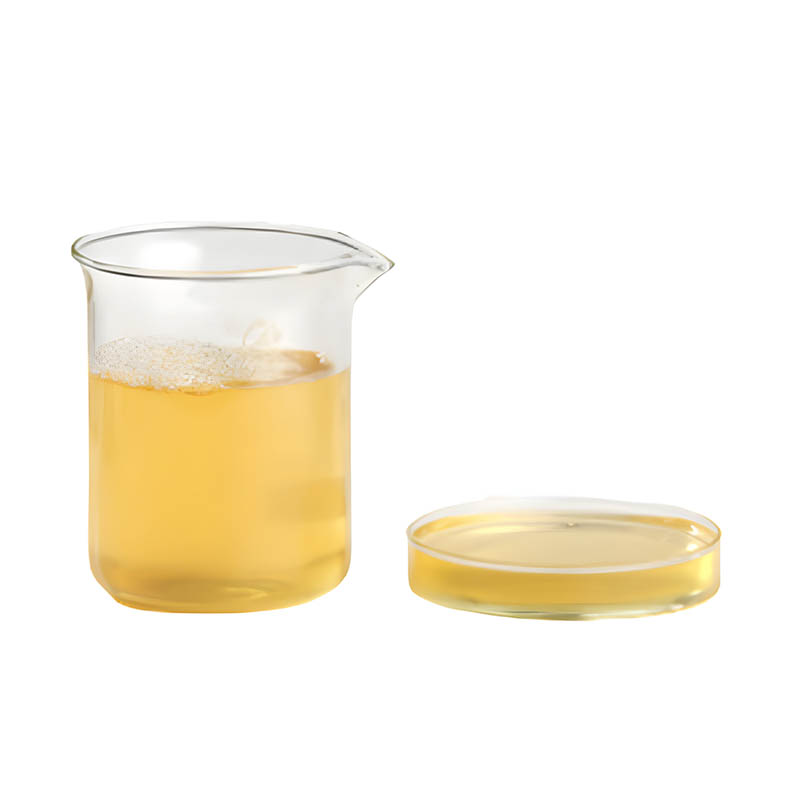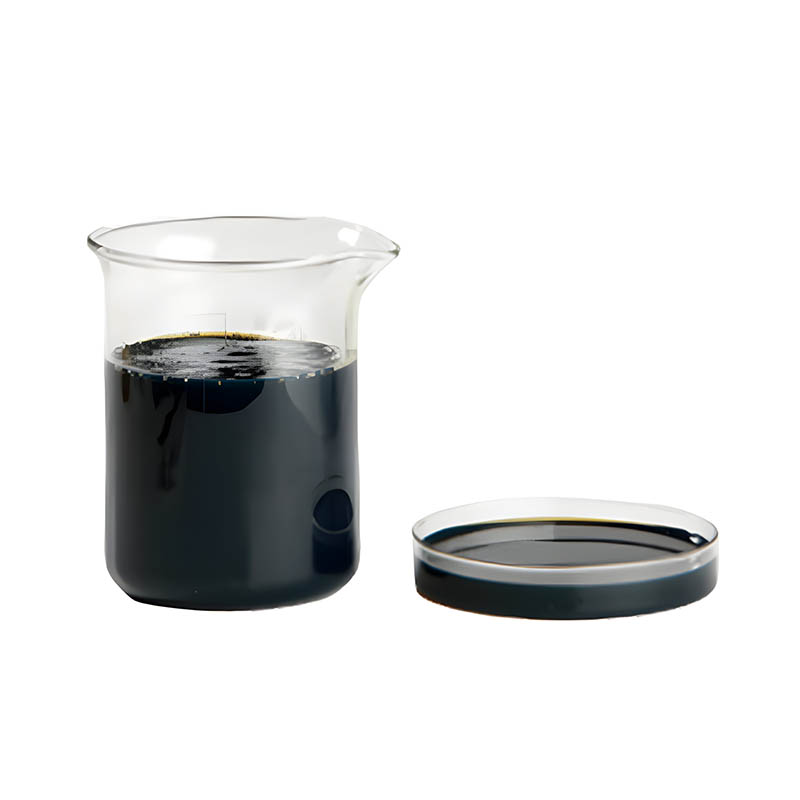

Ensuring comprehensive coverage while avoiding sagging is a key issue in the application of water-based release agents, requiring comprehensive optimization from aspects such as material properties, application methods, and process control.
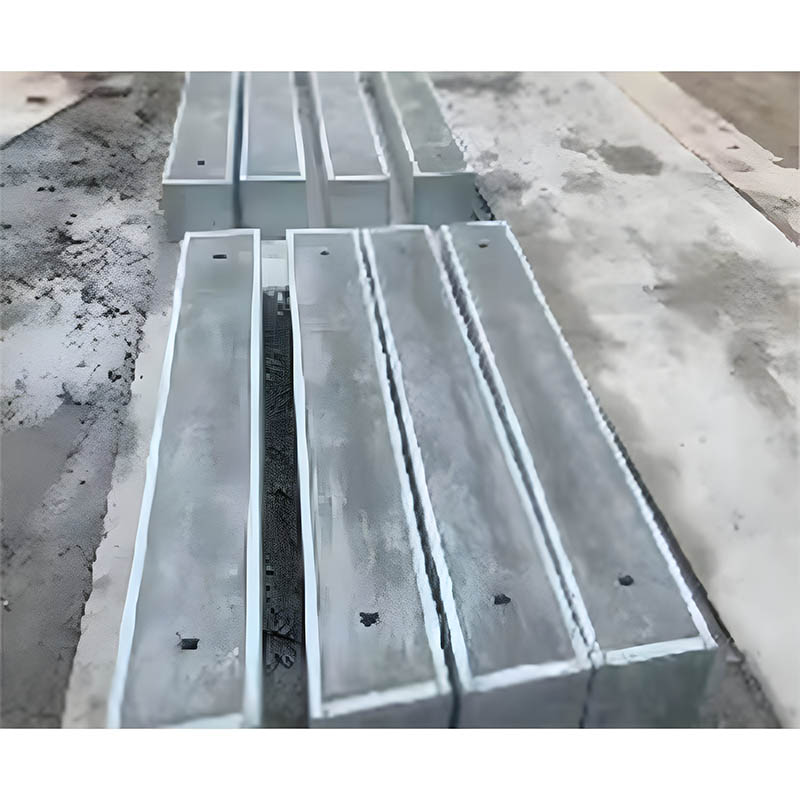
In the production system of precast concrete components, pipe piles, square piles, and hydraulic sheet piles are core materials for foundation construction, and their molding quality directly affects the stability and safety of the project.
Optimizing the application process of concrete water-based release agent to achieve uniform coverage of the curved surface has become a key step in improving the prefabrication quality of tunnel segments.
Plastic templates (such as polypropylene or polyvinyl chloride) have smooth surfaces and are highly hydrophobic. Conventional release agents are prone to causing difficulties in demolding or film peeling due to insufficient adhesion.
Water-based release agents, with their environmental friendliness and controllable film-forming characteristics, are becoming the preferred solution for TBM segment production. The key to achieving uniform coverage and zero residue lies in the deep synerg
In the production of precast concrete components, the performance of water-based release agents directly affects construction efficiency and finished product quality. Water-based concrete release agents, with their environmentally friendly characteristics